
 See Our Latest Article on HelloNation
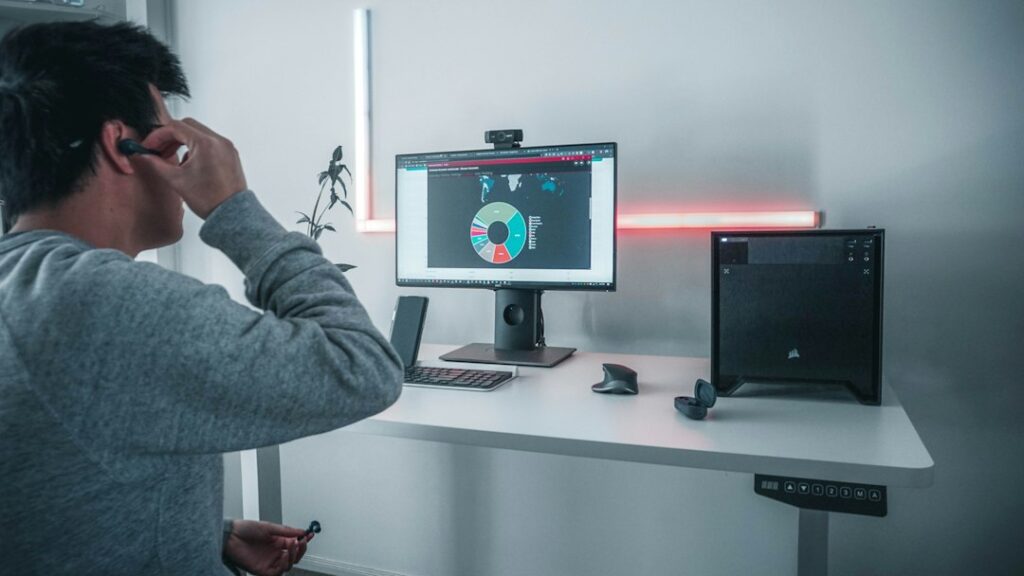
Neck pain can develop from a single awkward movement, but it more often builds gradually from repeated strain. Long periods at a computer, looking down at a phone, sleeping in an unusual position, muscle tension, arthritis, and minor injuries can all contribute.
For residents of Catskill, NY, seasonal activities such as shoveling, lifting firewood, carrying supplies, driving on uneven roads, or spending extra time indoors at a desk can place additional demands on the neck and shoulders. Understanding the cause is useful because prevention depends on the pattern behind the discomfort.
What commonly causes neck pain?
The neck supports the head, allows movement, and connects the upper spine with the shoulders and arms. Pain may involve muscles, joints, discs, nerves, or more than one of these structures.
Muscle strain and tension
Muscle strain is one of the most frequent causes. It can occur after:
- Working at a desk without changing position
- Looking down at a phone or tablet for extended periods
- Reading in bed
- Carrying bags or tools on one side
- Lifting with the shoulders raised or the head turned
- Repeating the same motion during home maintenance, exercise, or work
Stress can also contribute. People often tighten the muscles around the neck, jaw, and shoulders without realizing it, particularly during concentration or emotional strain.
Prolonged posture and limited movement
There is no single “perfect” posture that must be maintained all day. The greater concern is staying in one position too long. A head that remains forward while using a laptop, driving, or viewing a screen may cause the neck muscles to work continuously.
Even a relatively comfortable position can become uncomfortable when held for several hours. Regular movement is usually more useful than trying to hold the body rigidly upright.
Sleep-related discomfort
A pillow that is too high, too flat, or lacking support can leave the neck angled for much of the night. Sleeping on the stomach may also require the head to remain turned to one side.
Morning stiffness does not always mean the neck was seriously injured. It may reflect temporary muscle irritation, especially if movement gradually improves during the day.
Injuries and sudden movements
Falls, sports injuries, vehicle collisions, and sudden twisting can affect muscles, ligaments, joints, discs, or nerves. Whiplash-type injuries may cause pain and stiffness that appear immediately or develop over several hours.
Seasonal chores can also create strain. Shoveling, lifting wet snow, moving outdoor equipment, or carrying heavy items while walking on slippery ground can cause sudden neck and upper-back tension.
Age-related changes and irritated nerves
The joints and discs in the neck naturally change over time. Arthritis, disc bulges, or bone changes may contribute to stiffness or pain, although these findings can also occur in people who have no symptoms.
When a nerve is irritated, discomfort may travel from the neck into the shoulder, arm, or hand. Numbness, tingling, burning pain, or weakness deserves more attention than ordinary muscle soreness.
How can neck pain be prevented during work and screen use?
Prevention usually involves changing positions often rather than searching for one ideal setup.
Keep the screen close to eye level, with the head balanced over the shoulders instead of reaching forward. A separate keyboard and mouse can make a laptop setup more comfortable for longer work periods. The elbows should remain supported when possible, and the shoulders should not stay lifted.
Every 30 to 60 minutes, change position. Stand, walk briefly, gently turn the head, or move the shoulders through a comfortable range. These short interruptions may be more practical than waiting until the neck is already painful.
For phone use, raise the device rather than bending the head sharply downward. Voice-to-text or hands-free options can reduce the amount of time spent looking down.
Driving also requires breaks during longer trips. Adjust the seat so the head is supported without pushing the chin forward, and avoid driving when stiffness makes it difficult to turn and check surroundings safely.
What daily habits support a healthier neck?
A few consistent habits can reduce unnecessary strain:
- Build general strength in the upper back, shoulders, and trunk.
- Include gentle neck movement instead of keeping the area rigid.
- Lift with the item close to the body and avoid twisting while carrying it.
- Divide heavy loads into smaller portions when possible.
- Use both hands for awkward items.
- Warm up before vigorous yardwork, sports, or strenuous seasonal chores.
- Keep frequently used objects between waist and shoulder height.
- Use a pillow that keeps the neck relatively level with the rest of the spine.
- Change sleep positions if one position repeatedly causes morning pain.

Stretching should feel gentle. A mild pulling sensation can be acceptable, but sharp pain, increasing tingling, or weakness is a reason to stop.
What can help when mild neck pain begins?
For recent, mild discomfort, normal light activity is generally preferable to complete rest. Gentle movement can help prevent stiffness. Heat may feel soothing for muscle tightness, while cold may be more comfortable during the first day after a minor strain. A cloth barrier should be placed between the skin and any hot or cold pack.
Over-the-counter pain medicine may help some adults, but it is not appropriate for everyone. Stomach ulcers, kidney disease, blood-thinning medication, pregnancy, allergies, and other health conditions can affect which products are safe. Medication labels and advice from a qualified healthcare professional should be followed.
Avoid forceful stretching, high-velocity self-manipulation, or attempting to “crack” the neck when the cause of pain is unclear. These actions can aggravate an irritated joint, muscle, or nerve.
When does neck pain require prompt medical attention?
Seek urgent medical evaluation after a significant fall, collision, diving injury, or other forceful event—especially if pain is severe or neck movement is very limited.
Prompt evaluation is also appropriate when neck pain occurs with:
- Numbness, tingling, or weakness in an arm or leg
- Pain spreading into the arm
- Loss of balance, clumsy hands, or difficulty walking
- A severe or unusual headache
- Fever, marked illness, or unusual sensitivity to light
- Trouble speaking, swallowing, seeing, or controlling movement
- Loss of bladder or bowel control
Persistent pain also deserves attention. If symptoms are not improving after several days of basic self-care, repeatedly return, interfere with sleep or work, or continue for a few weeks, the underlying cause should be assessed rather than ignored.
Most everyday neck pain is manageable, but prevention works best when it addresses the pattern: prolonged screen use, poor lifting technique, inadequate sleep support, stress-related tension, or an activity that repeatedly overloads the same tissues.
