
 See Our Latest Article on HelloNation
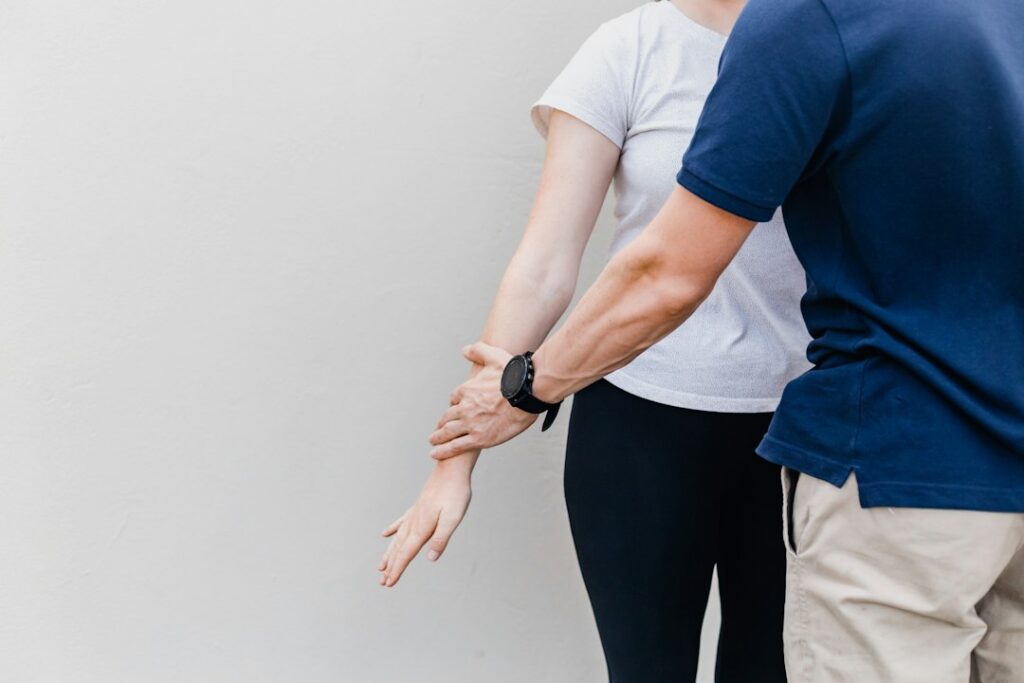
What can chiropractic adjustments do for athletes?
Chiropractic adjustments may help some athletes manage certain muscle and joint problems, especially when discomfort affects the spine, hips, shoulders, or extremities. The most realistic benefits involve pain relief, improved movement, and support during a broader rehabilitation plan—not guaranteed increases in speed, strength, or endurance.
An adjustment, also called spinal manipulation in clinical research, uses a controlled force to move a joint. Chiropractic care may also include mobility work, soft-tissue techniques, exercise guidance, and recommendations for changing training habits. The approach varies according to the athlete’s symptoms, sport, age, health history, and current activity level.
Can adjustments improve athletic performance?
The evidence for direct performance enhancement is limited. Some small studies have reported short-term changes in strength, range of motion, or neuromuscular responses after manipulation, while other studies have found little or no meaningful improvement.
That means an adjustment should not be viewed as a shortcut to better athletic performance. It cannot replace:
- Progressive strength training
- Sport-specific practice
- Adequate sleep and nutrition
- Conditioning and recovery days
- Proper equipment and technique
- Treatment of an underlying injury
An athlete who moves more comfortably may perform better indirectly because pain or stiffness is no longer changing movement patterns. That is different from an adjustment directly making a healthy athlete faster or stronger.
Which athletic problems may respond to chiropractic care?
Chiropractic treatment may be considered for some uncomplicated musculoskeletal complaints, including mechanical low-back pain, neck stiffness, restricted joint movement, and certain activity-related aches. Athletes may also seek care for discomfort associated with repetitive lifting, running, cycling, throwing, or contact sports.
Potential benefits may include:
- Reduced pain or soreness related to mechanical joint problems
- Improved short-term range of motion
- Less stiffness after training or travel
- Better tolerance for normal movement
- Guidance on mobility, posture, and training loads
- Assistance coordinating care during rehabilitation
The strongest evidence for spinal manipulation generally concerns selected forms of back and neck pain rather than sports performance itself. Results vary, and not every athletic injury is appropriate for manipulation.
For example, a runner with uncomplicated mechanical back stiffness may benefit from a treatment plan that includes mobility work and exercise. A person with a suspected stress fracture, torn ligament, dislocation, or significant tendon injury needs a different evaluation and management plan.
How might adjustments support recovery?
Athletes often repeat the same movement thousands of times. Running hills, carrying equipment, swinging a racket, shooting, rowing, or lifting can place recurring demands on the same joints and tissues. When pain causes an athlete to compensate, other areas may begin working harder than usual.
A carefully selected adjustment may temporarily improve joint motion or reduce the feeling of restriction. That change can make it easier to perform rehabilitation exercises with better technique. In this role, chiropractic care is most useful as one part of recovery rather than as a stand-alone solution.
A well-rounded plan may also include:
- Gradual return to training
- Strengthening of the muscles surrounding an injured area
- Balance and coordination exercises
- Warm-up and cooldown routines
- Changes to workload, running surface, or technique
- Monitoring symptoms during and after activity
In the community around Catskill, seasonal activities may involve hiking, trail running, cycling, paddling, field sports, skiing, and physically demanding outdoor work. Uneven terrain, cold-weather stiffness, wet surfaces, and sudden changes in training volume can all influence injury risk. A treatment plan should account for the athlete’s actual environment rather than focusing only on the painful area.
Are chiropractic adjustments safe for athletes?
For many healthy adults, temporary soreness, stiffness, headache, or increased discomfort can occur after spinal manipulation and usually resolves within a short period. Serious complications are rare but have been reported, particularly with neck manipulation.
A thorough health history matters. Athletes should mention previous fractures, surgeries, concussions, connective-tissue disorders, inflammatory conditions, blood-clotting problems, osteoporosis, neurological symptoms, and all current medications.
Extra caution is needed when symptoms include:
- Numbness, tingling, or weakness
- Loss of coordination or balance
- Severe or worsening pain
- Pain after a collision or fall
- Unexplained fever or significant illness
- Loss of bladder or bowel control
- Severe headache, dizziness, fainting, or vision changes
- Pain that wakes a person regularly at night

These symptoms may indicate a condition requiring medical evaluation rather than routine musculoskeletal treatment. A suspected fracture, dislocation, major ligament injury, or concussion should also be assessed through appropriate medical channels.
Should athletes get adjusted before competition?
Not necessarily. A new treatment should not be tested for the first time immediately before a race, game, tournament, or demanding workout. Even a treatment that is appropriate overall may cause temporary soreness or a change in how the body feels.
Athletes who already use chiropractic care should pay attention to timing and response. A session may be more suitable during a normal training period than directly before competition. The goal should be comfortable movement and sensible recovery, not dependence on repeated treatment to participate.
There is also no universal schedule for adjustments. Regular treatment is not automatically necessary for every athlete, and frequent manipulation should not substitute for strengthening, rest, or evaluation of recurring pain.
What questions should athletes ask?
Before receiving an adjustment, athletes can ask:
- What condition is this treatment intended to address?
- What findings support that approach?
- Are there alternatives such as exercise, mobility work, or rest?
- What side effects should be expected?
- Should training be modified afterward?
- What symptoms would require a different evaluation?
- How will progress be measured?
The clearest treatment plans identify a specific problem, explain what improvement should look like, and include a way to reassess whether the approach is helping.
What is the practical takeaway?
Chiropractic adjustments may provide short-term relief or improve movement for some athletes with appropriate musculoskeletal problems. They are not proven to produce broad athletic performance gains, prevent every injury, or replace rehabilitation.
For active residents, the most useful approach is usually the one that combines symptom monitoring, sensible training progression, strengthening, recovery, and appropriate evaluation of warning signs. An adjustment may have a role within that plan, but the athlete’s overall function and safety should remain the primary measures of success.
