
 See Our Latest Article on HelloNation

How Does Chiropractic Care Help Seniors Stay Mobile?
Chiropractic care can play a practical role in helping older adults maintain comfortable, independent movement as they age. For many local residents, stiff joints, aches, and restricted movement aren’t just side effects of age—they may be signals that mobility can still be supported with safe, conservative methods. Chiropractic approaches focus on improving the function of the spine and related joints, which can reduce discomfort and help area seniors enjoy everyday activities with greater ease.
Why Do Seniors Experience Mobility Challenges?
Aging naturally brings changes to bones, muscles, and joints that can limit motion. In Catskill, winter weather, uneven sidewalks, and seasonal chores often impact how safely and confidently seniors can get around.
Some key factors influencing mobility among older adults include:
- Gradual loss of cartilage and joint lubrication, leading to stiffness
- Loss of muscle strength and flexibility
- Wear-and-tear arthritis (osteoarthritis)
- Previous injuries, repetitive movements, or old surgeries
- Balance changes and nerve sensitivity
These issues can make walking, bending, gardening, or even standing from a chair more difficult. Over time, small changes in movement patterns may contribute to more widespread discomfort or instability.
What Techniques Do Chiropractors Use to Support Mobility?
Chiropractors typically use gentle, hands-on techniques tailored to a person’s comfort and physical condition. The primary methods include:
Spinal Adjustments:
These small, controlled movements help restore joint motion and alignment, reducing stiffness in the back, neck, or hips.
Soft Tissue Work:
Light stretching or muscle release can ease tension and improve flexibility, especially around shoulders, knees, and hips.
Mobility Exercises:
Many chiropractic plans include guided stretches or strengthening routines to help maintain gains made during visits.
Unlike forceful adjustments sometimes seen in younger or athletic patients, care for seniors in the area usually prioritizes comfort. Safe, gradual changes and close attention to health history reduce the risks associated with more fragile bones or complex medical conditions.
Can Chiropractic Care Help Reduce the Risk of Falls?
Improvement in spinal alignment and joint function can lead to better posture, balance, and coordination. Research shows that when older adults experience fewer aches or are able to move more freely, their risk of stumbling or losing balance during daily tasks often decreases.
In a Catskill household, small improvements in flexibility or stability can make it easier to:
- Step safely over icy patches or uneven surfaces in winter
- Move confidently on stairs or around the home
- Get in and out of cars, bathtubs, or beds with less discomfort
By addressing restrictions in the spine and major joints, chiropractic care may help reduce common causes of falls without relying solely on medication or assistive devices.
What Conditions Could Benefit Most from Chiropractic Approaches?
Chiropractic care can be useful for a range of issues common among area seniors:
- Low back pain and stiffness
- Neck discomfort from looking down at books or screens
- Shoulder tension and reduced arm range
- Hip and knee tightness, especially after walks or yard work
- Postural rounding or difficulty standing up straight
While not a substitute for medical treatment in cases of severe arthritis or diagnosed nerve conditions, it’s often considered a helpful complement for managing mild to moderate joint and muscle complaints.
Is Chiropractic Care Safe for Older Adults?
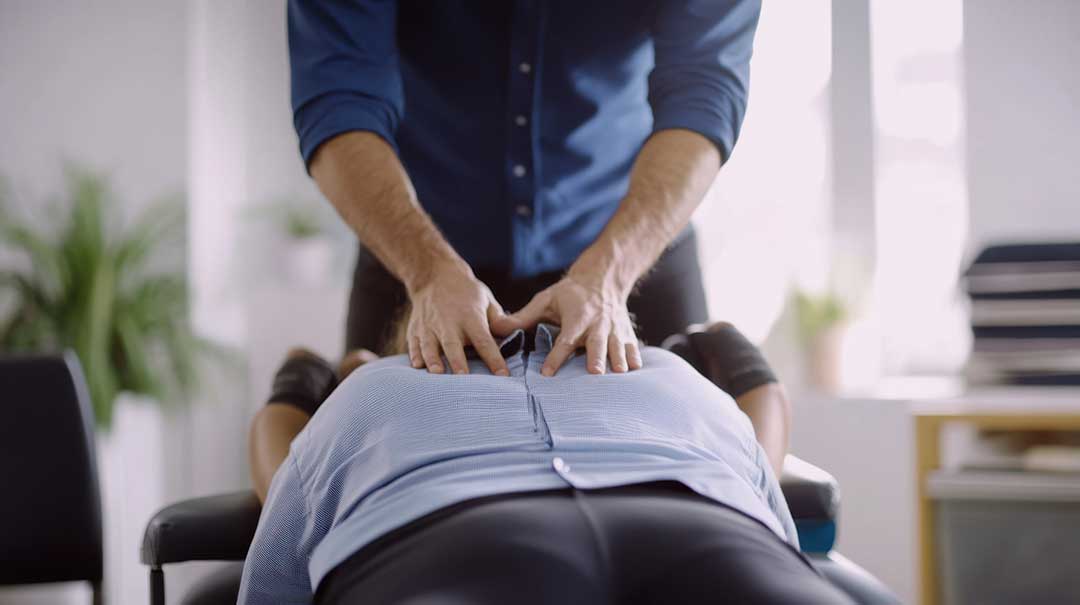
Safety concerns are a common question among seniors and their families. Modern chiropractic care is very adaptable. Providers typically do a thorough review of a person's health history, bone density, and medications before beginning care. For those with osteoporosis or spinal changes from aging, adjustments and exercises are often modified or substituted with gentler methods. Open communication about discomfort, previous injuries, or specific fears can improve safety and success.
Many area residents find it reassuring to know that chiropractic care is:
- Non-invasive—the vast majority do not involve surgery or injections
- Drug-free—relief does not depend on additional pain medications
- Focused on promoting comfortable, daily movement rather than quick fixes
Recognizing limits or changing needs is part of a responsible approach to joint health in the later years.
What Should Local Residents Expect During a Chiropractic Visit?
First, most visits begin with a detailed conversation about health history, daily activities, and personal mobility goals. Physical exams focus on posture, range of motion, and joint comfort. After establishing a safe approach, sessions may include hands-on adjustments, light stretching, or guided exercise, always progressed at a pace suited to the individual.
Residents can expect that the care plan will adjust over time to match seasonal changes (such as winter mobility challenges), home environment safety, and ongoing activity preferences.
What Are Common Misconceptions About Chiropractic Care for Seniors?
Some local seniors worry that chiropractic techniques might be too rough or that adjustments are only for back pain. In practice, most chiropractic care for older adults is gentle, carefully adapted, and can benefit areas beyond the spine, including hips, knees, and shoulders.
Another common misconception is that one must have a major injury to seek out care. In fact, many turn to chiropractic support simply for everyday aches, improved flexibility, or assistance staying active in retirement.
Are There Self-Care Strategies That Work With Chiropractic Approaches?
Chiropractic care is most effective when combined with healthy habits at home. Strategies to support mobility may include:
- Regular light stretching in the morning or before bed
- Walking indoors during icy or rainy weather
- Using appropriate footwear to prevent slips, especially during Catskill winters
- Taking breaks from sitting to move gently and loosen up joints
- Staying hydrated and eating for joint health
Small changes in daily routine can support the benefits of professional care and help older adults move with more comfort throughout the year.
